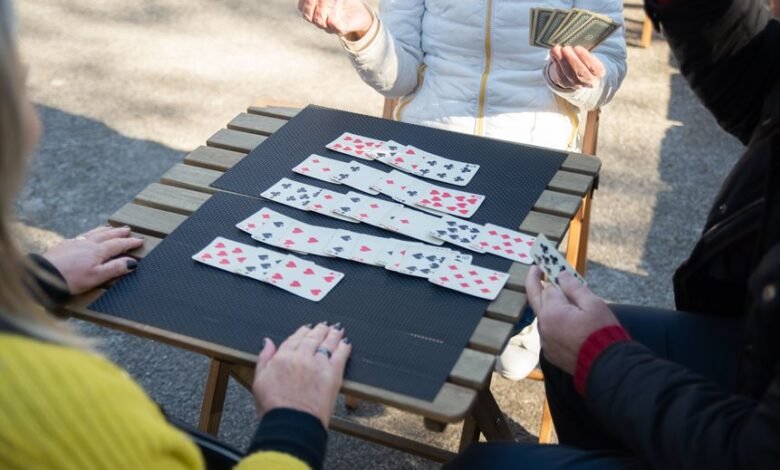
Spelhemtrevligt integrates play, learning, and well-being into accessible spaces. It relies on structured yet flexible environments that accommodate diverse abilities. Proponents argue it supports cognitive growth, social cooperation, and physical vitality while safeguarding safety. Critics question scalability and cultural relevance in varied communities. The balance between enjoyment and precaution shapes outcomes. This tension presents a practical concern for designers and policymakers, inviting scrutiny of methods that may either advance or hinder inclusive participation.
What Is Spelhemtrevligt and Why It Matters Today
Spelhemtrevligt, a term blending playful, social, and facilitating game spaces, refers to environments designed to balance enjoyment with accessible structure and safety. The concept rests on playful origins and pragmatic design, yielding observable benefits across settings. Its cultural significance emerges through shared norms and practices that sustain inclusive participation. Critics urge careful implementation to prevent superficiality or exclusion, ensuring genuine autonomy and communal responsibility.
How Playful Environments Boost Learning, Health, and Connection
Playful environments, when designed with structure and safety in mind, yield measurable benefits for learning, health, and social connection.
This analysis evaluates how playful literacy and urban playgrounds influence cognitive engagement, physical well-being, and community ties, while noting methodological limits.
Evidence suggests enhanced attention and collaboration, though outcomes vary by context and program quality, demanding cautious generalization and ongoing empirical scrutiny.
Designing Inclusive, Safe Spaces for All Ages
Designing inclusive, safe spaces for all ages requires a systematic balance of accessibility, equity, and risk mitigation.
The analysis identifies measurable outcomes for inclusive design and age friendly safety, scrutinizing environmental, social, and policy factors.
Empirical methods reveal tradeoffs between freedom of exploration and protective constraints, highlighting how universal design supports participation while preserving autonomy and safety for diverse users.
Practical Steps to Create Accessible, Imaginative Play at Home or in Communities
Accessible, imaginative play can be systematically fostered by combining practical modification of environments with structured supports for participation. Practically, communities and homes should map barriers, install adaptable spaces, and provide guided participation for varied ages and abilities. This approach emphasizes imaginative safety and inclusive playfulness, evaluating outcomes via observation and feedback, refining practices to sustain accessible, creative engagement beyond initial implementation.
Frequently Asked Questions
How Does Spelhemtrevligt Affect Cognitive Development in Adults?
Playing motivation and cognitive resilience are moderately enhanced by adult engagement with spelhemtrevligt, though effects vary. The analysis suggests transfer is selective, with benefits strongest in sustained attention and problem-solving, while methodological limitations warrant cautious, critical interpretation.
Can Spelhemtrevligt Improve Mental Health Outcomes Long-Term?
Playful routines and mindful breaks may contribute to modest long-term mental health improvements, though evidence remains mixed; systematic, critical evaluation suggests benefits in stress regulation and mood when integrated consistently, yet outcomes depend on individual differences and implementation quality.
What Are Budget-Friendly Ways to Create Play Spaces at Home?
Budget friendly DIY playspaces can be created by repurposing household items, negotiating space, and prioritizing safety; empirical evidence suggests budget savvy methods optimize engagement. The analysis remains critical, yet freedom-minded individuals may value accessible, low-cost, creative exploration.
How Do Cultural Differences Shape Spelhemtrevligt Practices?
Studies show 72% vary play norms across cultures. Cultural rituals shape spelhemtrevligt by guiding participation and meaning, while language symbolism routes symbolism and metaphor. The analysis remains empirical, critical, and analytical for an audience seeking freedom.
What Metrics Measure the Impact of Spelhemtrevligt Initiatives?
Spelhemtrevligt initiatives are evaluated through playful metrics and community engagement indicators, reflecting empirical attention to participation, retention, and satisfaction. The approach remains analytical, critical, and freedom-oriented, emphasizing transparent data, methodological rigor, and sensitivity to diverse cultural expectations.
Conclusion
Spelhemtrevligt stands as a quiet lighthouse: symbolically, play is the beam guiding diverse minds toward shared shores. The current era’s pressures—loneliness, inequity, mental strain—amplify its significance as a portable toolkit, shaping cognitive growth, social cohesion, and physical vitality. Empirically, accessible, structured play predicts better outcomes across ages. Critically, its value rests on inclusive design and safe participation. When environments are adaptable, communities reflectively engage, and play is guided, the beacon sustains curiosity, autonomy, and resilient connection.