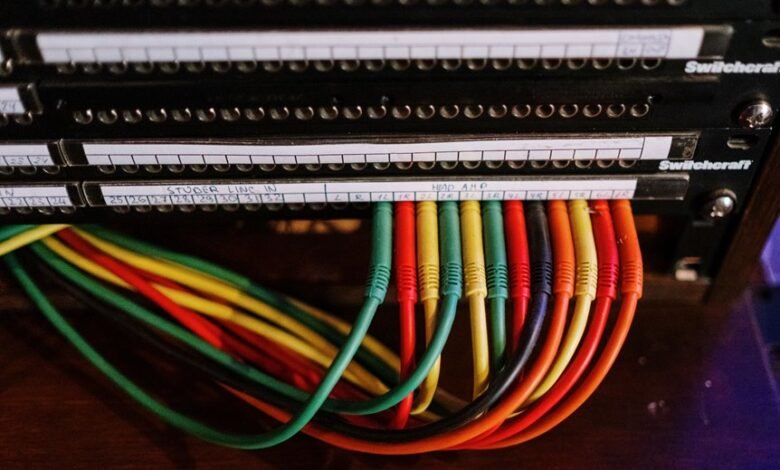
Real Tone cable alternatives matter today because they safeguard signal integrity from source to destination. They rely on disciplined shielding, targeted materials, and robust construction to limit noise and interference. The practical benefits include lower latency, broad device compatibility, and durable performance in dynamic environments. Selecting the right option hinges on budget, use case, and future-proofing, offering a path to reliable, scalable setups even as gear evolves—an approach that invites careful consideration of trade-offs.
How Real Tone Cable Alternatives Secure Your Signal
Real Tone cable alternatives secure signals by reducing interference and preserving integrity from source to destination. They target the noise floor, implementing interference control measures that preserve signal integrity across paths. Through structured design and disciplined routing, these systems maximize noise isolation, enabling reliable transmission, consistent performance, and freedom-driven operation in dynamic environments where clear, uncorrupted data matters most.
Shielding, Materials, and Build That Matter
Shielding, materials, and build practices determine the practical limits of Real Tone cable performance, dictating how effectively signals resist interference and maintain integrity under real-world conditions.
Shielding effectiveness hinges on precise material choices and robust durability considerations.
Build quality matters: disciplined layer design and secure assemblies maximize fidelity, enable freedom, and ensure consistent performance across environments and demanding use cases.
Practical Benefits: Latency, Compatibility, and Durability
Effective Real Tone cable alternatives deliver measurable benefits in latency, compatibility, and durability by prioritizing low signal delay, broad device interoperability, and resilient construction. They enable latency improvements through optimized signaling, reduce compatibility concerns with standardized interfaces, and extend lifespan via robust materials. The result is reliable performance, broad ecosystem access, and durable operation, aligning with a freedom-seeking audience that demands consistent, long-term utility.
Choosing the Right Alternative: Budget, Use Case, and Setup Tips
When selecting a Real Tone cable alternative, audiences should weigh budget against the specific use case and installation context to maximize value.
The framework prioritizes budget considerations and clear use case scenarios, guiding decisions toward durable, scalable options.
Assess compatibility, setup simplicity, and future needs, ensuring cost efficiency without sacrificing performance or freedom to adapt across evolving gear and environments.
Frequently Asked Questions
How Do Real Tone Cable Alternatives Differ From Standard Cables?
Real tone cable alternatives differ by prioritizing tone quality and signal integrity, delivering cleaner, more consistent output than standard cables. They emphasize durability rivals, resist interference, and support precise dynamics for players seeking freedom in expressive performance.
Can Alternatives Affect Pickup Noise or Hum in Amps?
Alternatives can reduce pickup noise or hum if properly designed; tone comparison shows shielding materials matter. They may differ in noise rejection, but performance depends on construction. Shielding materials and layout determine effectiveness for amplifiers and freedom-loving players.
Are There Safety Concerns With Higher-Grade Shielding Materials?
Higher-grade shielding materials introduce manageable safety concerns, but compliance remains achievable. The evaluation emphasizes safety testing and shielding standards to ensure reliability, minimize hazards, and support a confident, freedom-seeking user base while maintaining strategic, authoritative guidance.
Do These Cables Influence Signal Integrity With Wireless Systems?
They are capable of preserving signal integrity, though results vary with shielding and layout; Real Tone alternatives may mitigate Wireless interference when properly implemented, yet experts emphasize comprehensive system optimization over cable alone to maintain robust performance.
What Maintenance Is Required to Extend Their Lifespan?
Maintenance is essential to extend lifespan. A disciplined maintenance schedule preserves performance, while careful handling minimizes wear. Shielding longevity relies on periodic inspection, connector care, and environmental control; proactive steps mitigate corrosion and impedance drift for freedom-minded users.
Conclusion
Real Tone cable alternatives matter because they fortify signal integrity across environments where interference is unpredictable. By optimizing shielding, materials, and build quality, they deliver consistent latency, broader device compatibility, and enhanced durability. Strategic selection aligns budget with use case, ensuring scalable, future-ready setups that resist degradation over time. Like a fortress for data, a well-chosen alternative guards the signal from origin to destination, enabling reliable performance in dynamic deployments.